
Highlight Sessions
U62D·Sunrise Yoga
Hq ASEE HeadquartersSession Description
Free ticketed event
Sunrise Yoga
U62F·Registration Open
Hq ASEE HeadquartersSession Description
Registration Open
U62I·4th Annual ASEE Career and Graduate Fair
Hq ASEE HeadquartersSession Description
BACK BY POPULAR DEMAND! ASEE Annual Conference Career and Graduate Fair
Participant List to Date:
Clarkson University
Cornell University
Elizabethtown College
Florida International University
Iowa State University College of Engineering
MathWorks
McKim & Creed
Miller Electric Company
NC State University
NCEES
Northwestern University Master of Science in Law
Ouachita Baptist University
Pike Engineering
Siemens
Southwestern University
Texas Department of Transportation
University of Florida
University of Virginia (UVA) Engineering
Wentworth Institute of Technology
Worcester Polytechnic Institute
The American Society for Engineering Education Annual Conference Career Fair is a premier networking and recruiting event held as part of the ASEE Annual Conference & Exposition. It is designed to connect engineering students, recent graduates, and professionals with employers from industry, academia, and government.
At the Career Fair, organizations set up booths to showcase their work, highlight career opportunities, and engage directly with attendees. Participants have the chance to explore full-time positions, internships, and research roles across a wide range of engineering disciplines. The setting encourages meaningful, face-to-face conversations that often lead to valuable professional connections and potential hiring opportunities.
The event attracts a diverse pool of candidates—from undergraduate and graduate students to early-career engineers and experienced professionals—creating a dynamic environment for both recruitment and career exploration. Employers benefit from access to highly motivated, well-prepared talent, while attendees gain insights into different career paths and organizations.
As part of the broader ASEE conference, the Career Fair complements technical sessions, workshops, and panels by bridging the gap between engineering education and the workforce. It serves as a key platform for fostering collaboration, supporting professional growth, and advancing the future of engineering.
U62J·ASEE COMMUNITY MIXER
Hq ASEE HeadquartersSession Description
Formerly The Division Mixer - The ASEE Annual Conference Community Mixer is an informal networking event held as part of the ASEE Annual Conference. This mixer is designed to bring together members of different divisions, committees, sections & zones within ASEE, allowing them to interact, collaborate, and share ideas in a relaxed and social setting.
Participant List:
1 ASEE Member Services and Campus Representatives Tim Manicom
2 ASEE Publications and Journals Eva Miller/ Nadia Kellem
3 ASEE National Awards Eva Miller
4 ASEE Funded Projects Shannon Koonce
5 ASEE Learning Alex Sharpe
6 Aerospace Division (AERO) Yilin Feng
7 Architectural Engineering Division (ARCHE) Rania Al-Hammoud
8 Biological and Agricultural Engineering Division (BAE) Isaac Dunmoye
9 Biomedical Engineering Division (BED) Brian Helmke
10 Chemical Engineering Division (ChED) Eric Husmann
11 Civil Engineering Division (CIVIL) Monica Palomo
12 College Industry Partnerships Division (CIP) Charles Baukal
13 Commission on Diversity, Equity, and Inclusion (CDEI) Sarah Over
14 Commission on P-12 Engineering Education (CP12) Katey Shirey
15 Community Engagement Division (CED) Adithya Jayakumar
16 Computers in Education Division (COED) Mike Borowczak
17 Computing and Information Technology Division (CIT) Mudasser Wyne
18 Construction Engineering Division (CONST) Luciana Debs
19 Continuing, Professional, and Online Education Division (CPOED) Charles Baukal
20 Cooperative and Experiential Education Division (CEED) Jenny Strickland
21 Corporate Member Council (CMC) Stephanie Harrington
22 Council of Sections, Zone I-IV Bala Maheswaran
23 Data Science and Artificial Intelligence Constituent Committee (DSAI) Bala Maheswaran
24 Design in Engineering Education Division (DEED) Russell Marzette
25 Educational Research and Methods Division (ERM) David Reeping
26 Electrical and Computer Engineering Division (ECE) Ying Tang
27 Energy Conversion, Conservation, and Nuclear Engineering Division (ECC) Saquib Ahmed
28 Engineering and Public Policy Division (PPD) Hadi Ali
29 Engineering Deans Council (EDC) Tonya Tucker
30 Engineering Design Graphics Division (EDG) Erik Schettig
31 Engineering Economy Division (EED) Laura Savage
32 Engineering Ethics Division (ETHIC) Jude Okolie
33 Engineering Leadership Development Division (LEAD) Rebecca Komarek
34 Engineering Libraries Division (ELD) Erin Rowley
35 Engineering Management Division (EMD) Jena Asgarpoor
36 Engineering Physics and Physics Division (EPP) Tooran Emami
37 Engineering Research Council (ERC) Mark Riley
38 Engineering Technology Council (ETC) Keith Johnson
39 Engineering Technology Division (ETD) Mohammad Uddin
40 Entrepreneurship and Engineering Innovation Division (ENT) Mandana Ashouripashaki
41 Environmental Engineering and Sustainability Division (ENVEST) Stephanie Laughton
42 Equity, Culture, & Social Justice in Education Division (ECSJ) Robyn Paul
43 Experimentation and Laboratory-Oriented Studies Division (ELOS) Kip Coonley
44 Faculty Development Division (FDD) Juan Ortega
45 First-Year Programs Division (FPD) Andrew Bartolini
46 Graduate Studies Division (GSD) Rachel Higbee
47 Industrial Engineering Division (IED) Megan Hammond
48 Interdivisional Town Hall Jamie Gurganus
49 Instrumentation Division (INST) Herbert Hess
50 International Division (INTL) Dominik May
51 IT Committee John Estell
52 Liberal Education/Engineering and Society Division (LEES) Desen Özkan
53 Manufacturing Division (MFG) Rui Liu
54 Materials Division (MATS) Jonathan Brown
55 Mathematics Division (MATH) Brian Faulkner
56 Mechanical Engineering Division (ME) Anne Spence
57 Mechanics Division (MECHS) Anna Howard
58 Midwest Section (MDW) John Hassell
59 Military and Veterans Division (MVD) Angela Minichiello
60 Minorities in Engineering Division (MIND) Jacques Richard
61 Multidisciplinary Engineering Division (MULTI) Mehrube Mehrubeoglu
62 New Engineering Educators Division (NEE) Sanaz Motamedi
63 North Central Section (NC) Carmen Cioc
64 Ocean and Marine Division (OMED) Lifford McLauchlan
65 Pacific Northwest Section (PNW) Ashton Greer
66 Pre-College Engineering Education Division (PCEE) Hoda Ehsan
67 Professional Interest Council (PIC I-V) Lynn Albers
68 Rocky Mountain Section (RMT) Pinar Omur-Ozbek
69 Software Engineering Division (SWE) Afsaneh Minaie
70 Student Division (STDT) Benjamin Chaback
71 Systems Engineering Division (SYS) Kiana Karami
72 Technological and Engineering Literacy/Philosophy of Engineering (TELPhE) Muhammad Ijaz
73 Transfer and Pathways Council (TPC) Dom Dal Bello
74 Two-Year College Division (TYCD) Eric Davishahl
75 Undergraduate Experience Committee (UEC) Nandika D'Souza
76 Women in Engineering Division (WIED) Idalis Villanueva Alarcón
77 Workforce Development Council (WDC) Angelitha Daniel
U662B·FOCUS ON EXHIBITS: Welcome Reception, Featuring Taste of the Town
Hq ASEE HeadquartersSession Description
The Taste of the Town event is one of the conference's signature opening social gatherings. It features a networking-focused welcome reception that showcases local cuisine and culture while helping ASEE conference participants connect with one another at the start of the conference.
Meet Layne Riggs! Enter to Win a Signed Racing Jersey!
Layne Riggs is an American stock car racing driver from Bahama, North Carolina, and the son of former NASCAR driver Scott Riggs. He competes primarily in the NASCAR Craftsman Truck Series and is considered one of NASCAR’s rising young talents.
His most notable accomplishments include:
Layne Riggs won the NASCAR Craftsman Truck Series race at Charlotte Motor Speedway on May 24, 2026, in one of the most emotional and chaotic events of the season. Driving the No. 34 Front Row Motorsports Ford, Riggs took the lead in a race heavily affected by crashes, cautions, and rain before NASCAR called the event.
Winning NASCAR Craftsman Truck Series Rookie of the Year honors in 2024 after scoring two race victories and several top-five finishes with Front Row Motorsports.
Capturing his first Truck Series win at the historic Milwaukee Mile in 2024.
Winning the 2022 NASCAR Advance Auto Parts Weekly Series national championship, becoming the youngest driver ever to earn that title at age 20.
Meet Sir Purr at ASEE Taste of the Town - And enter to win a Panther's Helmet!
Don't miss this special opportunity to meet Sir Purr, the beloved mascot of the Carolina Panthers, at the ASEE Annual Conference Taste of the Town event!
Stop by for photos, fun, and a chance to connect with fellow conference attendees while enjoying an unforgettable evening showcasing the local flavor and spirit of the host city.
Bring your Panther pride—or just your camera—and join us for this exciting guest appearance. Sir Purr is looking forward to meeting engineers, educators, students, and friends from across the ASEE community!
M62F·Registration Open
Hq ASEE HeadquartersSession Description
Registration Open
M62G·Sunrise Yoga
Hq ASEE HeadquartersSession Description
Free ticketed event
Sunrise yoga
M199·MONDAY PLENARY, General Body Meeting & Keynote Panel Sponsored by Florida International University, Missouri University of Science and Technology, and UNC Charlotte
Plenary ASEE Board of DirectorsSession Description
MONDAY PLENARY
The ASEE Monday Plenary is a flagship session of the American Society for Engineering Education’s annual conference, designed to bring all attendees together for a shared, high-impact experience at the start of the week. This plenary features influential voices addressing pressing issues and emerging trends in engineering education.
The General Body Meeting will provide an update on ASEE HQ Activities and Operations
Featuring Keynote Panel:
Artificial intelligence is already reshaping how students learn, how instructors teach, and how practitioners work, yet the gap between AI's promise and its practical application remains wide. This panel brings together three engineering faculty from UNC Charlotte to examine what it actually looks like to put AI to work in engineering education. Drawing on experience across a new first-year curriculum, NSF-funded adaptive learning research in core mechanics courses, and AI training programs for hundreds of construction and facilities professionals, the panelists address AI as subject matter, as a pedagogical tool, and as a professional reality. They share concrete lessons learned and take up the harder question of what engineering educators owe their students as the tools, norms, and risks of AI continue to evolve rapidly.
Moderated by
- Dr. Christi L Patton Luks
Speakers
-
Dr. Jake Smithwick
University of North Carolina at Charlotte

Dr. Jake Smithwick is an Associate Professor in the Albert School of Construction at UNC Charlotte. His applied research focuses on facility performance benchmarking and workforce development, conducted in collaboration with organizations like IFMA, the National Academies, and the Associated Builders and Contractors, spanning more than 200,000 buildings. He recently developed a new graduate course on AI in construction and facilities management, served as Education Lead for IFMA’s AI in FM Working Group, and has delivered AI training programs for hundreds of construction, facility, and procurement professionals across North America. His industry experience includes supporting over $15 billion in procured services and six years in the U.S. Air Force Reserve.
-
Dr. Amirhossein Ghasemi
University of North Carolina at Charlotte
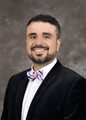
Dr. Ghasemi is an Associate Professor of Mechanical Engineering and Engineering Science at UNC Charlotte and director of the THinC Lab. His research focuses on control, autonomy, robotics, human-machine systems, and intelligent transportation. Dr. Ghasemi is also active in engineering education innovation. He uses adaptive learning platforms to personalize learning in core mechanical engineering courses, such as System Dynamics, and to support students with different levels of preparation. His educational innovation efforts are supported by the National Science Foundation through an IUSE project focused on integrating adaptive learning across core mechanics courses, including Statics, Dynamics I, and Dynamics II, to strengthen prerequisite knowledge, create connected learning pathways, and improve student success.
-
Dr. Robert P. Loweth
University of North Carolina at Charlotte
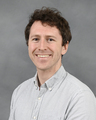
Robert P. Loweth (he/him) is a Teaching Assistant Professor in the Office of Student Development and Success at the University of North Carolina at Charlotte. His research explores how engineering students and practitioners approach early-stage engineering design activities such as problem definition, idea generation, and impact assessment. He also examines how engineering educational systems, ranging from classroom-level pedagogical practices to societal-level cultural norms, impact engineering students’ academic success and professional development. The goals of his research are 1) to develop tools and pedagogies that support engineers in achieving the positive societal changes that they envision and 2) to advance curricular and institutional structures that support the success of diverse engineering students. As an instructor, he developed the Logic and Computational Problem Solving course for UNC Charlotte's new Common First Year engineering curriculum that launched during the 2025-2026 academic year.
M62I·Poster Viewing & Exhibit Hall Open
Hq ASEE HeadquartersSession Description
Poster Viewing & Exhibit Hall Open
M262·FOCUS ON EXHIBITS: Networking Break & ASEE Division Poster Sessions
Hq ASEE HeadquartersSession Description
The Focus on Exhibits: ASEE Division Poster Session & Networking Break is a key event during the American Society for Engineering Education (ASEE) Annual Conference, designed to promote both academic research and industry innovations within engineering education.
Here's an overview of what you can typically expect at this event:
Poster Presentations:
Academic and Research Posters: The session features presentations of research, innovative teaching practices, and educational projects from various ASEE divisions. These posters are typically presented by faculty, students, and researchers who are showcasing their work in areas such as engineering pedagogy, curriculum development, and cutting-edge research in engineering education.
Diverse Topics: Topics covered range from new teaching methods and technologies to advancements in engineering design and challenges in the engineering workforce. It allows attendees to explore a variety of topics and gain insights into the latest developments in the field.
Interactive Format: Attendees can walk through the session, engaging directly with the poster presenters. This format encourages one-on-one interactions, enabling deep dives into specific areas of interest.
The Networking Break is also designed to give attendees a chance to network while viewing the poster presentations. It provides a break from the formal sessions of the conference, offering an opportunity to interact with colleagues, peers, and experts from various engineering disciplines in a more informal setting.
Cross-Disciplinary Conversations: Because the ASEE community is diverse, the poster session and networking break often facilitate interactions across disciplines, encouraging new ideas and collaborations that can span multiple areas of engineering education.
Exhibitor Engagement:
In addition to the research posters, there are often exhibits from industry partners showcasing their products and services relevant to engineering education. This allows attendees to learn about the latest tools, software, and technologies that could enhance their teaching or research efforts.
Overall Impact:
The Focus on Exhibits: ASEE Division Poster Session & Networking Break provides a dynamic space for both sharing and learning about the latest in engineering education while fostering professional connections in a more relaxed, engaging atmosphere. It allows educators, researchers, and industry professionals to interact with each other, exchange ideas, and stay informed about innovative trends and research in the engineering field.
M362A·GREET THE STARS! ASEE New Members & First Timers Orientation
Hq ASEE HeadquartersSession Description
ASEE’s “Greet the Stars! New Members and First Timers Orientation” is a welcoming session held at the Annual Conference specifically for new ASEE members and people attending the conference for the first time. It serves as an introduction to both the organization and the conference experience.
The session typically includes:
• An overview of ASEE’s mission, structure, divisions, and member benefits.
• A walkthrough of the conference program, highlighting plenaries, technical sessions, networking events, exhibits, and social activities.
• Guidance on navigating the conference venue and making effective use of conference resources and tools.
• Networking opportunities with ASEE leaders, experienced members, and fellow first-time attendees.
• Advice on how to get involved in ASEE divisions, committees, and future leadership opportunities.
• An open, informal environment where newcomers can ask questions and learn conference “survival tips” from veteran attendees.
The name “Greet the Stars” reflects its role as a chance for newcomers to meet ASEE leaders and established members. Historically, the session has been described as an orientation for new members and first-time attendees and has often been paired with networking activities or lunches designed to help participants build professional connections early in the conference.
In practice, many attendees view Greet the Stars as the best starting point for a first ASEE conference because it helps them quickly understand the conference culture, identify valuable sessions, and begin building a professional network from day one
M367·DISTINGUISHED PANEL: Stewardship and Leadership: Navigating the Challenges for Women of Color in STEM
Special Engineering Deans Council (EDC)Session Description
The proposed distinguished panel brings together the powerful voices of women of color who are transforming STEM education through stewardship, leadership, and advocacy. Anchored in the forthcoming book Partner and Leverage: Stories of Stewardship and Leadership from Women of Color in Engineering and Computing, the session explores strategic partnerships, mentorship models, and leadership practices that drive inclusive excellence in engineering and computing.
Throughout history, women of color leaders have spearheaded large-scale transformations in the makeup of STEM higher education (McGee et al., 2022; Nixon, 2017). However, existing scholarship fails to capture the change efforts produced by women of color in STEM higher education (Patton & Haynes, 2018). As a consequence, women of color’s change efforts are ignored, hindering STEM higher education and aspiring women of color leaders from accessing the knowledge and unique contributions of women of color change agents (Dotson, 2011; Patton & Haynes, 2018). The goal of this distinguished lecture is to bridge this gap by bringing together women of color professionals who have led change efforts in engineering and computing education. Panelists will share personal narratives from academia and industry, highlighting themes such as authentic leadership, navigating systemic barriers, and building supportive networks. These stories offer actionable insights for cultivating inclusive environments, expanding access, and preparing the next generation of STEM leaders.
The featured authors represent the most underrepresented population of faculty and administrators in higher education, a wide range of engineering disciplines (including aerospace, biomedical, and computer engineering) along with additional expertise in education, humanities, and the sciences. Their collective achievements include roles as university presidents, deans, vice presidents, department heads, and leading researchers with extensive publications and funding success.
As demographics in higher education continue to change, diverse leadership is an imperative (Evans, Shonekan, and Adams, 2023). Active in national professional organizations, these leaders are committed to advancing equity through inclusive mentoring and institutional change. This session aligns with ASEE’s mission to promote diversity, equity, and excellence in engineering education. Join us for an inspiring conversation on how women of color are reshaping the future of STEM fields through visionary leadership and community-driven change.
Possible Questions
1. Can you share a pivotal moment in your career that illustrates the importance of collaborative stewardship among women of color in STEM?
2. How have your experiences shaped your understanding of the concept of ‘Onlyness’ and what it means for leadership?
3. What strategies have you found effective in leveraging support systems, such as mentors and allies, to advance your career?
4. In what ways can institutions improve the environment for women of color in engineering and computing?
5. How do you define success in your leadership journey, and what principles guide you in that pursuit?
6. In the context of today’s challenges in access and equity in STEM, what advice would you offer to aspiring women of color leaders?
7. Can you discuss an example of how you’ve had to navigate the "double bind" in your professional journey?
8. What impact do you believe storytelling has in fostering solidarity and resilience within underrepresented communities in STEM?
9. How do you envision the future of STEM fields for women of color, and what role do you see ourselves playing in shaping that future?
Possible Panelists
Those with ** are ASEE Fellows and many of the other authors regularly attend ASEE. At this point and time, no author has been invited.
Stephanie G. Adams**– University of Texas at Dallas
Dean of the Erik Jonsson School of Engineering and Computer Science and Lars Magnus Ericsson Chair
An accomplished scholar and educator, Dr. Adams serves as a catalyst for change in engineering education. Her research emphasizes student engagement and the importance of diversity within academic environments.
Stephanie Y. Evans – Georgia State University
Professor of Black Women's Studies (Women’s, Gender, and Sexuality Studies & African American Studies); Former Director, the Institute for Women’s, Gender, and Sexuality Studies
In her research, Dr. Evans centers Black women’s intellectual history, mental health, and wellness, and she is a prolific author and editor of works exploring memoir, social justice, and empowerment education.
Christy L. Pichichero – George Mason University
Associate Professor of History, French, and African and African American Studies; Director of Faculty Diversity Diversity in the College of Humanities and Social Sciences
A public intellectual and award-winning scholar, Pichichero combines her expertise in research with her dedication to fostering supportive communities for underrepresented groups. Her interdisciplinary work explores race, empire, war, and the African diaspora through the lens of early modern French history, critical theory, and inclusive pedagogy.
Shirley Malcom – American Association for the Advancement of Science (AAAS)
Senior Advisor and Director of the SEA Change Initiative
As a prominent figure in STEM education, Dr. Malcom has championed diversity in STEM, co-authored the landmark report The Double Bind, and served on influential boards including the National Science Board and President Clinton’s Committee of Advisors on Science and Technology.
Evelynn Hammonds – Harvard University
Barbara Gutmann Rosenkrantz Professor of the History of Science and Professor of African and African American Studies
Dr. Hammonds is a trailblazing scholar and former Dean of Harvard College, her interdisciplinary research explores the intersections of race, gender, science, and medicine, with a focus on the history of health disparities and African American women's experiences in STEM.
Monica F. Cox** – The Ohio State University
Distinguished Professor of Engineering in the Department of Engineering
Dr. Cox is a trailblazer in STEM and founder of STEMinent LLC and the Stop Playing Diversity brand, her research employs mixed methods to examine faculty experiences, institutional culture, and student development across the engineering continuum. She focuses on developing rigorous assessment tools to promote inclusive excellence in STEM.
Whitney Gaskins – University of Cincinnati
Associate Dean of Inclusive Excellence and Community Engagement, College of Engineering and Applied Science
A dynamic leader in education and organizational development, Whitney Gaskins focuses on empowering diverse voices in engineering through advocacy and transformative practices. Her efforts are aimed at creating pathways for future generations.
Pamela Holland Obiomon – Prairie View A&M University
Dean of the Roy G. Perry College of Engineering
Dr. Obiomon is an accomplished engineering educator known for her commitment to diversity and inclusive pedagogy. She actively engages in mentorship practices that uplift women and minorities in engineering.
Maria Mayorga – North Carolina State University
Goodnight Distinguished Chair in Operations Research and Director of the Operations Research Program
Dr. Mayorga’s interdisciplinary research focuses on predictive health models and optimizing resource allocation in healthcare and emergency response systems using advanced analytical methods.
Bevlee Watford** – Virginia Tech
Retired Associate Dean for Equity and Engagement and Professor of Engineering Education, National Science Board
An esteemed leader in engineering education, Dr. Watford champions diversity and is known for her work in outreach programs that encourage underrepresented minorities to pursue STEM careers. Her leadership promotes inclusive excellence.
Christine S. Grant** – North Carolina State University
Professor of Chemical and Biomolecular Engineering; Former Associate Dean of Faculty Advancement
Dr. Grant is recognized for her contributions to diversity initiatives in academia and her research in surface and interfacial science informs applications in electronic materials and biomedical systems.
Yvette E. Pearson** – University of Texas at Dallas
Associate Dean for Academic Affairs and Strategic Initiatives in the School of Natural Sciences and Mathematics
Associate Dean for Effectiveness and Accountability, Jonsson School of Engineering & Computer Science
As a prominent scholar and administrator, Dr. Pearson is an internationally recognized leader in engineering education and inclusive excellence. Her work focuses on sustainability, accessibility, and opportunity in STEM and supports initiatives that advance equitable outcomes in engineering education and practice.
Sharnnia Artis – George Mason University
Vice President for Access, Compliance, and Community
Dr. Artis is dedicated to advancing access and equity in engineering and computing through research, program development, and institutional transformation.
Araceli Martinez Ortiz – University of Texas at San Antonio
Microsoft President’s Endowed Professor and Professor of Engineering Education
A passionate educator, Martinez Ortiz directs graduate programs and the PREP initiative. Her research centers on culturally responsive STEM education and K–12 engineering interventions that expand access and engagement for underserved communities.
Lesia Crumpton-Young – Former President of Texas Southern University (2021–2023); current President & CEO of Greatness Gurus Corporation
Dr. Young has held leadership roles at multiple institutions and received national recognition for mentoring and advancing diversity in STEM and a specialist in industrial engineering and human factors.
Felecia Nave – Former President of Alcorn State University (2019–2023);
President & CEO of the 1890 Universities Foundation. As a dedicated advocate for diversity in engineering, Dr. Nave emphasizes creating inclusive environments and mentorship opportunities. Via her leadership roles
she advanced academic program development, faculty success, and STEM education initiatives, earning national recognition for her contributions to diversity and institutional transformation.
Sylvia Wilson Thomas – University of South Florida
Professor, Electrical Engineering and former Vice President for Research & Innovation and President & CEO of the USF Research Foundation
Dr. Wilson Thomas leads the Advanced Membrane and Materials Bio and Integration Research (AMBIR) lab. Her research focuses on bio and nanoelectronic device integration using advanced membrane and material systems, with applications in healthcare, energy, and sustainable technologies. Her passion for advocacy drives her efforts to promote equity and inclusion in academic spaces and building networks that support women of color in STEM.
Renetta Tull – University of California, Davis
Vice Chancellor for Diversity, Equity, and Inclusion
A leader in STEM education, Dr. Tull works on initiatives that empower underrepresented students in STEM through culturally responsive mentoring, graduate education initiatives, and international advocacy for equity in science and engineering.
Fay Cobb Payton – Rutgers University–Newark
Executive Director of the Institute for Data, Research and Innovation Science (IDRIS) and Special Advisor to the Chancellor for Inclusive Innovation
Dr. Payton is a nationally recognized expert in AI ethics, health IT, tech inclusion and intersectionality. She champions initiatives that advocate for equitable access to STEM opportunities for all students.
Note: We highly anticipate the new book out by this time and this could also serve as a book launch and signing.
Citations
Dotson, K. (2011). Tracking epistemic violence, tracking practices of silencing. Hypatia, 26(2), 236-257.
Evans, S., Shonekan S., and Adams, S. (2023). Dear Department Chair: Letters from Black women leaders to the next generation. Detroit, MI: Wayne State University Press.
McGee, E. O., Jett, C. C., & White, D. T. (2022). Factors contributing to Black engineering and computing faculty’s pathways toward university administration and leadership. Journal of Diversity in Higher Education, 15(5), 643.
Nixon, M. L. (2017). Experiences of women of color university chief diversity officers. Journal of Diversity in Higher Education, 10(4), 301.
Patton, L. D., & Haynes, C. (2018). Hidden in plain sight: The Black women's blueprint for institutional transformation in higher education. Teachers College Record, 120(14), 1-18.
Speakers
-
Dr. Stephanie G. Adams
University of Texas at Dallas
Dean of the Erik Jonsson School of Engineering and Computer Science and Lars Magnus Ericsson Chair
An accomplished scholar and educator, Dr. Adams serves as a catalyst for change in engineering education. Her research emphasizes student engagement and the importance of diversity within academic environments. -
Stephanie L Evans Wemusa
Professor of Black Women's Studies (Women’s, Gender, and Sexuality Studies & African American Studies); Former Director, the Institute for Women’s, Gender, and Sexuality Studies
In her research, Dr. Evans centers Black women’s intellectual history, mental health, and wellness, and she is a prolific author and editor of works exploring memoir, social justice, and empowerment education. -
Christy Pichichero
George Mason University
Associate Professor of History, French, and African and African American Studies; Director of Faculty Diversity in the College of Humanities and Social Sciences. A public intellectual and award-winning scholar, Pichichero combines her expertise in research with her dedication to fostering supportive communities for underrepresented groups. Her interdisciplinary work explores race, empire, war, and the African diaspora through the lens of early modern French history, critical theory, and inclusive pedagogy.
-
Shirley Malcom
American Association for the Advancement of Science (AAAS)
Senior Advisor and Director of the SEA Change Initiative
As a prominent figure in STEM education, Dr. Malcom has championed diversity in STEM, co-authored the landmark report The Double Bind, and served on influential boards including the National Science Board and President Clinton’s Committee of Advisors on Science and Technology.
M450·Two Year College Division Model Design Competition
Special Two-Year College Division (TYCD)Session Description
As this year’s competition will be held in Charotte, NC which is a regular PGA (Pro Golf Association) tour stop at the Quail Hollow Club. The 99th PGA championship was held here in 2017. The United States will celebrate its 250th birthday on July 4, 2026, so a patriotic theme is also appropriate. This year’s contest will be to design an Autonomous Golf ball retrieval robot. The contestants will have to find a way to pick up and sort Red, White and Blue golf balls placing them in their corresponding color-coded bins.
Moderated by
- Mr. Philip J. Regalbuto
M498·Section & Zone Leaders Meeting
Business Council of SectionsSession Description
Free ticketed event
BY INVITATION ONLY
Section/Zone Leaders Meeting
M62J·FREE TIME - Exhibit Hall Bistro Open
Hq ASEE HeadquartersSession Description
Cash and carry concessions available
M462·Awards Lunch Rehearsal - For ASEE Staff Only
Hq ASEE HeadquartersSession Description
FYI - Award winners do not need to attend rehearsal
M562A·Interdivisional Town Hall
Hq ASEE HeadquartersSession Description
2026 Interdivisional Town Hall: Student Thriving
The annual Interdivisional Town Hall (ITH) provides a forum for members from various divisions and attendees to discuss topics relevant to the entire ASEE membership. ASEE values diverse perspectives from its multiple divisions, and the ITH provides the opportunity to foster cross-divisional partnerships and create resources to address challenges at national and international levels. This year’s ITH discussion will center on the student thriving and how faculty impact student thriving. As faculty, instructors, and staff, we aim to make a difference by exploring and creating meaningful next steps for key aspects of students' journey in engineering education and professional development.
Guided by the insights of Dr. Karin Jensen (University of Michigan), Town Hall participants will discuss student thriving, understood as extending beyond academic performance to include engagement, resilience, sense of belonging, professional identity formation, ethical responsibility, and students’ capacity to navigate complex learning and social environments. Central to this framing is the idea that faculty structures, norms, and choices meaningfully shape whether and how students are able to thrive. Town Hall participants will break into small groups to engage in cross-divisional conversations exploring how student thriving intersects with four areas of undergraduate engineering education:
Topic 1 – Artificial Intelligence enabling Student Thriving
Artificial Intelligence is rapidly transforming engineering education as well as the professional environments our students will enter. As AI-powered tools become more deeply integrated into learning, assessment, and industry practice, engineering educators must reconsider how students develop expertise, technical expertise, critical thinking skills, and ethical responsibility. One of the key challenges is how AI can be used as a supportive learning tool rather than as a substitute for analytical reasoning, while also preparing students to succeed in AI-driven workplaces. Preparing students to thrive in this evolving environment requires integrating AI literacy, ethical awareness, and the ability to critically evaluate AI-generated outputs into the curriculum. By emphasizing responsible and reflective use of AI, engineering education can ensure that students remain active problem solvers, capable of leveraging technology while maintaining a strong analytical judgment and professional responsibility.
Topic 2 – Student Thriving: Integrating Resilience, Engagement, and Professional Growth
Student thriving implies success extending beyond academic performance. Thriving encompasses engagement, resilience, communication skills, and the ability to navigate complex learning environments. Pressures learners face vary from curricular to social and geo-political concerns impact their education. Thriving requires a supportive faculty ecosystem to enable students’ development of self-direction, initiative, and the professional and interpersonal skills necessary for engineering careers. By strengthening communication, integrating professional competencies within technical coursework, and reinforcing students’ ability to take ownership of their learning, engineering education can better prepare students not only to succeed academically but also to thrive in their future workplaces and communities. This discussion on student thriving should include both personal/professional aspects of student thriving for career success and how faculty/staff can scaffold, support, and relate to students in engineering education.
Topic 3 – Empathy
Empathy plays a critical role in shaping both the engineering design process and the educational environments in which students learn. Engineering faculty, staff, and students must have the ability to understand the communities and stakeholders for whom they develop solutions. Instructors must also consider the evolving realities of the student experience. This includes rethinking traditional structures of engineering education, such as rigid assessments and classroom practices, to better support student learning, belonging, and well-being. It also includes being flexible with evolving realities to address challenges in teaching and learning as they arise. Creating opportunities for reflection, community building, and outcome-focused assessment can foster environments where students feel supported academically and personally. This ultimately strengthens students’ capacity to thrive as engineers and engaged members of society. Instructionally, introducing students to emotional intelligence and case studies related to empathetic design, are powerful tools for instructors in classroom settings.
Topic 4 - Sustainability
Sustainability challenges are increasingly inspiring students to pursue engineering as a pathway to address urgent global and community needs. Embedding sustainability within engineering education strengthens engagement by linking technical knowledge to meaningful, real-world impact. At the same time, these topics introduce complex systems thinking, interdisciplinary perspectives, and societal considerations that can stretch traditional curricular approaches. Through project-based learning, contextualized problem solving, and open dialogue about global challenges, educators can support students in developing both the technical competencies and the resilience needed to navigate sustainability work while sustaining their own academic and professional well-being. Moreover, sustainability-focused learning can empower individuals across the educational continuum, from K–12 students to postsecondary learners and faculty, to see themselves as capable problem solvers. By engaging with challenges such as climate change and water systems, learners build confidence in their ability to contribute to solutions that matter.
M662·FOCUS ON EXHIBITS: Summertime Social
Hq ASEE HeadquartersSession Description
The Focus on Exhibits: Summertime Social is a lively and informal social event designed to foster networking and relationship-building among conference attendees, exhibitors, and sponsors in a relaxed setting. It provides a unique opportunity for participants to unwind, interact, and engage with the various exhibitors and industry professionals who are showcasing their products, services, and innovations in engineering education, all while enjoying a cool glass of lemonade.
Key Features of the Summertime Social:
The event provides attendees with the opportunity to casually mingle, socialize, and connect with other professionals, educators, and exhibitors. This informal setting fosters open conversations and the exchange of ideas.
Exhibitor and Sponsor Interaction:
Exhibitors and sponsors participate in the event, offering attendees the chance to engage directly with companies and organizations that provide tools, technologies, and services related to engineering education.
This interaction allows participants to learn more about the latest products and innovations that can enhance teaching and learning in engineering fields, as well as gain insights into trends in the industry.
Collaborative Networking:
In addition to meeting exhibitors and sponsors, the social provides ample opportunities for conference attendees to meet fellow educators, researchers, and students from diverse backgrounds and institutions.
It’s a great time to discuss key conference topics, share experiences, and brainstorm new ideas in a more relaxed, social environment compared to traditional sessions or workshops.
Community Building:
The Summertime Social is often seen as a highlight of the ASEE Annual Conference’s social calendar. It’s an event that brings together the ASEE community, strengthening relationships among members, fostering new collaborations, and promoting a sense of camaraderie among attendees.
The Focus on Exhibits: Summertime Social is designed to combine the best of both worlds: it offers professional networking and learning opportunities while allowing attendees to unwind and enjoy the social aspects of the ASEE Annual Conference. This event is perfect for making new connections, exploring cutting-edge products and services, and engaging with the broader ASEE community in a relaxed, enjoyable atmosphere.
T62A·Sunrise Yoga
Hq ASEE HeadquartersSession Description
Free ticketed event
Sunrise Yoga
T165·TUESDAY PLENARY, Featuring Best Papers & CMC Keynote Speaker
Plenary Corporate Member Council (CMC)Session Description
Attend the ASEE Tuesday Plenary to gain timely insights from academic and industry leaders, connect with peers across disciplines, and engage in conversations shaping the future of engineering education.
Featuring:
ASEE Best Overall PIC Paper
• PIC IV: “Adjustment Experiences Among Engineering Transfer Students: A Pilot Study at a Four-Year Institution in Florida”
By Caroline Lubbe, Sindia M. Rivera-Jiménez, Ayla Sevilleno, and Justin Ortagus, University of Florida
From the Two Year College Division (TYCD)
Best Overall Zone Paper
Most Outstanding Teaching Award Winner
Corporate Member Council Keynote Speaker
Campbell Pilot for Future City Fellowship:
Dr. Jenna Carpenter, Founding Dean and Professor of the School of Engineering
ASEE Past President
Campbell University’s Pilot of the Future Cities Fellowship: Partnering with ULRI Standards Academy and DiscoverE to Reimagine Electrification
Abstract: The UL Research Institutes and DiscoverE Future City Fellowship engages university students in designing safe, sustainable cities grounded in engineering standards. This talk highlights how Campbell University’s Pilot Team incorporated ULRI’s Standards Academy case studies to develop 10 , 20 , and 30 year electrification plans for the city of Raleigh, North Carolina.
Moderated by
- Dr. Agnieszka Miguel
Speaker
-
Dr. Jenna P. Carpenter
Campbell University
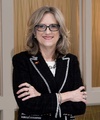
Dr. Jenna Carpenter is Founding Dean and Professor of Engineering at Campbell University and President of the Mathematical Association of America. A national thought leader in STEM education and expert on workforce development and student success, she is Past President and Fellow of ASEE, an 2023 ASEE Hall of Fame Inductee and sits on ABET’s Engineering Accreditation Commission. She is also a Past President of WEPAN, the Women in Engineering ProActive Network. She received the 2023 ABET Claire Felbinger Award, 2019 ASEE Sharon Keillor Award for Women in Engineering Education, and was a co-recipient of the 2022 National Academy of Engineering Bernard M. Gordon Prize for Innovation in Engineering and Engineering Technology Education for her role as a co-developer of the Grand Challenges Scholars Program. She received both the 2013 WEPAN Distinguished Service Award and the 2018 WEPAN Founder’s Award. She has served on the Executive Committee for both the Global Engineering Deans Council and the ASEE Engineering Dean’s Council. She is Chair of the ASEE Workforce Development Council’s Public Policy SubCommittee and Engineering Dean’s Council Representative on the council. In 2024, she was a presidential appointee to the US President’s National Infrastructure Advisory Council Subcommittee on Expanding the Workforce.
T62B·Registration Open
Hq ASEE HeadquartersSession Description
Registration Open
T273·DISTINGUISHED LECTURE: Inclusive and Equitable Engineering Classrooms Start with Intentionality and Authenticity
Special ASEE Commission on Diversity, Equity & Inclusion (CDEI)Session Description
Over the last 15 years as an engineering educator and supporting others in their teaching, I have learned three important lessons: 1.) Students want authenticity from their teachers, 2.) Learning should be student, not content, centered with students as co-creators of their learning, and 3.) Small things have a big impact in your classroom. These lessons were the foundation on which I began to reflect on what power I have as an agent of change towards equity and inclusion in the spaces I inhabit. Being an agent of change in engineering education has meant continuous, transparent improvement, establishing authentic relationships with students, and implementing research-informed, intentional inclusive practices. This research led to our framework for inclusive classroom practices that include four salient characteristics: support student autonomy, encourage collaboration over competition, provide safe spaces for failure, and highlight diversity present within the field(s). All four of these practices are demonstrated in the literature to bolster a sense of belonging and student learning in individual courses and improve retention and progression for all students. In this session, I will share my own personal experiences implementing this framework and my experience as a faculty developer training others.
For those interested in: Advocacy and Policy and Broadening Participation in Engineering and Engineering Technology
Speaker
-
Dr. Erin Henslee
Wake Forest University
Dr. Erin Henslee is a Founding Faculty and Associate Professor of Engineering, at Wake Forest University. Her research spans biomedical engineering in the area of cellular electrophysiology, STEM education, and Makerspace pedagogy. She serves as co-director of WFU’s CULTIVATE program which provides tailored support for faculty as they pursue external funding. She has taught over 20 unique engineering courses across a variety of institutions and departments. She is passionate about faculty development and helping faculty achieve their goals in teaching and scholarship. She co-runs HiddenSTEM.wfu.edu, a site dedicated to open access of inclusive pedagogy and providing bespoke faculty development workshops. Her teaching awards and grants related to inclusive pedagogy include a KEEN Engineering Unleashed Fellowship, KEEN’s Rising Star award, WFU's Innovative Teaching Award, the NSF CAREER award and an NSF-funded project on developing inclusive Making/Makerspace curriculum. She is also passionate about introducing engineering to elementary-aged students, running the annual Great Engineering Bake Off summer camp since 2021 with the Kaleideum, the local science science museum in Winston Salem. If needed any more personal information: She lives in Clemmons, NC with her family and enjoys being outdoors, playing and watching sports, reading, and beach trips with her corgi, Henry.
T332·DISTINGUISHED LECTURE: International Division (INTL) Distinguished Speaker Panel: Innovations in Preparing Globally Competent Engineers
Panel International Division (INTL)Session Description
A panel of four distinguished speakers from industry and the international division, including Dora Smith, Dr. Maria Mercedes Larrondo-Petrie, Dr. Jamie Gurganus, and Dr. Araceli Martinez Ortiz, will present on their international education experiences and innovative initiatives to prepare globally competent engineers.
For those interested in: Academia-Industry Connections and Broadening Participation in Engineering and Engineering Technology
Moderated by
- Dr. Pritpal "Pali" Singh
Speakers
-
Dr. Maria Mercedes Larrondo-Petrie
Florida Atlantic University
Dr. Larrondo-Petrie is a professor of Computer Engineering at Florida Atlantic University, serves pro-bono as executive director of the Latin American and Caribbean Consortium of Engineering Institutions (LACCEI), and directs the Organization of American States’ OAS Center of Excellence of Engineering for the Americas. She has been inducted into the Pan-American Academy of Engineering and received the Global Engineering Deans Council and the International Federation of Engineering Education Duncan Fraser International Engineering Education Award, the Society of Women Engineers’ Outstanding Women in Engineering. Her research interests focus on global engineering education, designing next-generation learning systems, modeling complex systems, and designing for security.
-
Dr. Araceli Martinez Ortiz
The University of Texas at San Antonio
Dr. Araceli Martinez Ortiz is the Microsoft President’s Endowed Professor of Engineering Education at the University of Texas at San Antonio, where she serves as Director of the Engineering Education Graduate Program and Executive Director of the university’s Prefreshman Engineering Program (PREP). She leads initiatives that expand access to STEM education and strengthen community-engaged engineering pathways.
Her work reflects a global perspective shaped by engineering and leadership roles in industry and academia. Before entering higher education, Dr. Martinez Ortiz worked with General Motors, Ford Motor Company, and Microsoft, building expertise in international collaboration, manufacturing, technology, and workforce development. Today, she collaborates with educators and scholars worldwide on engineering education, STEM pathways, challenge-based learning, global communication competencies, and artificial intelligence in education.
Before joining UT San Antonio, Araceli served as a director at the Texas Higher Education Coordinating Board and as Executive Director of the LBJ Institute for STEM Education and Research at Texas State University. She has led initiatives supported by NASA and the National Science Foundation and holds degrees from the University of Michigan, Kettering University, Michigan State University, and Tufts University. Araceli has also completed executive education programs at Yale University, UC Berkeley, and the HACU Leadership Academy. -
Mrs. Dora Smith
Siemens Digital Industries Software
Dora Smith directs the future workforce strategy for Siemens Digital Industries Software. She leads strategic education and workforce development initiatives that empower a global ecosystem of thousands of enterprises, institutions and learners. Her strategic work provides access to recognized credentials, industrial strength software and industry leading resources designed to cultivate the digital mindsets and practical skills vital for future manufacturing innovation. Representing Siemens, a pioneer in industrial digitalization, Dora's efforts are instrumental in shaping the next generation of engineers and technologists. In her academic-industry advisory roles with the American Society for Engineering Education (ASEE), International Federation of Engineering Education Societies (IFEES) and Global Engineering Deans Council (GEDC), she actively champions frameworks for enhanced collaboration between educational organizations and industry, particularly in the realm of digital skills development.
-
Dr. Jamie R Gurganus
University of Maryland Baltimore County
Dr. Jamie Gurganus is an Assistant Teaching Professor in the Engineering and Computing Education Program within the College of Engineering and Information Technology and Director of the Center for the Integration of Research, Teaching and Learning (CIRTL) in the Graduate School at the University of Maryland, Baltimore County (UMBC), as well as a Faculty Fellow with the Alex. Brown Center for Entrepreneurship. Her work focuses on developing engineers, educators, and communities from P12 through post-graduate levels, with scholarship and teaching centered on engineering identity development, global and entrepreneurial competencies, failure culture, and inclusive pathways into engineering. She designs high-impact, student-centered learning experiences across the engineering curriculum including first-year courses, human-centered design, work-integrated learning, and multidisciplinary capstone projects; connecting students with real-world challenges and community partners.
T462A·Poster Viewing Open & Exhibit Hall Open
Hq ASEE HeadquartersSession Description
Poster Viewing Open & Exhibit Hall Open
T465A·CMC Industry Day Session - Workplace Readiness Ed Talks
Special Corporate Member Council (CMC)Session Description
Industry is often asked “How do I best prepare my students?” by Academia.
In this new short form talk style, CMC looks to provide insight in some crucial areas of Workplace Readiness.
Topics covered:
• Workplace priority shifts: How GenZ is changing the workplace
• Future-Proof Skills for New Grads: Quick Curriculum Tips
o Communication Edition
o Digital Skills Edition
o Teamwork Edition
Speakers:
Kaitlin Tyler, Ansys part of Synopsys
Kaitlin Tyler is currently a Staff Engineer in the Academic Program at Ansys part of Synopsys. Her role focuses on (1) supporting the usage of Ansys tools in academia, with an emphasis on materials teaching and pre-university engagement and (2) leading for the Ansys Academic Content Development Program, which focuses on developing instructional content to support integration of Ansys tools in curriculum. Her background is in materials science, with a PhD in the subject from the University of Illinois Urbana-Champaign. She is very involved in ASEE. At the publication of this paper, she is the Awards Chair (past Division Chair) for the Materials Division and Chair Elect for the Corporate Members Council.
Janelle Simmonds
Global Enablement Lead, Future Workforce Strategy, Siemens Digital Industries Software
Janelle Simmonds is passionate about advancing education where academia and industry meet. She brings expertise in university-industry partnerships, organizational strategy, and online learning to her work across higher education and the corporate world. As Global Enablement Lead for the Future Workforce team at Siemens Digital Industries Software, Janelle leads content and credential strategy—equipping learners, educators and employers with the resources to transform the workforce and empower the next generation of skilled professionals.
Prior to Siemens, Janelle led partnership development at the University of Michigan’s Center for Academic Innovation and served as Chief of Staff to the Provost at UM-Dearborn. She spent 12 years in the UK and Europe in international pathways education, leading programs and teaching marketing, PR, and business development. At Kaplan International Pathways, she served as curriculum consultant, then program lead, college director, and associate director of Kaplan’s Center for Learning Innovation & Quality. She holds a BA in Communications and International Studies, and an MA in Communication from Wayne State University. She earned an executive coaching certification from the University of Michigan, and now provides coaching and consulting to empower leaders and teams. Janelle also sits on a number of higher education and workforce boards.
Angela Kita
University of Wisconsin - Madison
Angela Kita (she/her) is committed to improving learning experiences for all students through classroom innovation, program development, and fostering community. Her passion for all things teaching and learning began through teaching experiences as a graduate student, particularly working with non-biology majors exploring the various systems and structures found in animal phylogeny. She has worked collaboratively with faculty and staff on curriculum development, improved instructor support, and cross-campus projects. As a member of the Center for Innovation in Engineering Education, she is excited to build and grow partnerships that better connect students to their learning, their passions, and their goals.
Haley Briel
University of Wisconsin - Madison
Haley Briel (she/her) is a Teaching and Learning Tech Specialist with CEETE in the College of Engineering. She discovered the joy of active learning upon graduation from Vanderbilt University in 2008 when she was hired as an outreach coordinator with Wofford College’s Goodall Environmental Studies Center. There, she hosted community events and outdoor lessons for all ages about the flora, fauna, and history of upstate South Carolina. Haley found her home at UW-Madison in graduate school, where she received dual master’s degrees in Urban and Regional Planning and Water Resources Management in 2015. After a brief tenure in floodplain management, Haley returned to UW to pursue her passion for developing learning experiences that are inclusive, effective, and fun!
T62C·FREE TIME: Exhibit Hall Bistro Open
Hq ASEE HeadquartersSession Description
Cash and carry concessions available
T422·DISTINGUISHED LECTURE: How to think about AI like a systems engineer
Special Engineering Management Division (EMD), Multidisciplinary Engineering Division (MULTI) , Engineering Economy Division (EED), and Systems Engineering Division (SYS)Session Description
Society depends in an essential way on modern engineered systems – for example, ambulance dispatch, air traffic control, hospital operations, process control at factories and refineries, and so forth – and therefore, it is of vital importance to reduce (in both frequency and magnitude of impact) to some pre-determined acceptable level the incidence of unplanned adverse dynamic behavior that occurs in such systems after deployment.
In this lecture, Dr. Siegel examines how the systems-engineering techniques used on these types of large, complex, mission-critical engineered systems can be extended to be applied to the next-generation of such systems: those that will employ various forms of artificial intelligence, machine learning, and large language models. He demonstrates that such use of artificial intelligence, machine learning, and large language models is almost certain to increase significantly the incidence of such unplanned adverse dynamic behavior in those systems. He goes on to discuss the increased importance of the role of systems engineering in these next-generation systems, because systems engineering (and in particular, the set of methods that he describes) provide one of the few existing methods that have proven effective for reducing unplanned adverse behavior to acceptable levels of frequency and magnitude.
Dr. Siegel's webpage: https://viterbi.usc.edu/directory/faculty/Siegel/Neil
For those interested in: Academia-Industry Connections, Advocacy and Policy, Broadening Participation in Engineering and Engineering Technology, and New Members
Moderated by
- Dr. Jena Shafai Asgarpoor
Speaker
-
Neil Siegel
USC - Viterbi School of Engineering
Dr. Neil Siegel's Webpage: https://viterbi.usc.edu/directory/faculty/Siegel/Neil
Neil Siegel is the IBM Professor of Engineering Management, a Professor of Industrial and Systems Engineering Practice with Distinction in the Epstein Department of Industrial and Systems Engineering, and is also a Professor of Computer Science Practice with Distinction, all within the Viterbi School of Engineering at the University of Southern California. He is a recognized expert in the design and development of large, complex systems that serve important societal needs, both as a practitioner at the largest scales, and as a researcher.
Until his retirement at the end of 2015, he held the position of sector vice-president and chief technology officer at Northrop Grumman, for the Mission Systems and Information Systems sectors. He led the sector’s research portfolio ($600M / year), and oversaw the development of technical solutions for their customers’ most-important problems. He also oversaw the sector’s 12,000-plus scientists and engineers, directed engineering process improvements, and activities to develop the company’s technical talent.
Previously, Dr. Siegel served as vice-president and general manager of the company’s Tactical Systems division, and a director of the company’s U.K. subsidiary. He has been responsible for engineering projects in many portions of the world, including the United States, the U.K., NATO, the Middle East, etc. In all, he served as a vice-president of the company for nearly 18 years.
Dr. Siegel led the engineering on a large number of successful fielded military, intelligence, and commercial systems, including the U.S. Blue-Force Tracker; the Army’s first unmanned aerial vehicle; the Forward-Area Air Defense system; the Integrated Battle Command System; the fire-control segment of the world’s first complete laser weapon system; and played important roles for many other systems for ground, sea, space, intelligence, and cyber-space. These systems have repeatedly been cited as model programs and important national capabilities. He also led work for the steel industry, the movie industry, the healthcare industry, and the electric power industry. He helped to invent techniques to reduce unintended adverse interactions between drugs prescribed by different doctors; these techniques are now used almost universally in the U.S. and Europe, saving thousands of lives each year. He led the team that created many of the patented techniques that transitioned the internet from wired to fully-routed wireless operations; these are used in almost every smart phone and tablet computer in existence. He is a recognized expert in network management, wireless networks, and networks of mobile devices. He has made contributions in the field of improving development methodology for large-scale systems, through the identification of novel root-causes of system-development failures, new methods to correct those root-causes, and application of those new techniques to problem domains such as health, energy, and Government information systems. He holds nearly 50 issued and pending patents worldwide.
Among his many honors are the following:
U.S. National Medal of Technology and Innovation (photo)
Election to the U.S. National Academy of Engineering
Selection as a Fellow of the U.S. National Academy of Inventors
The IEEE Simon Ramo Medal for systems engineering and systems science
The TRW Chairman’s Award for Innovation (three times)
The Army’s Order of Saint Barbara
The iCMG award for system architecture
The Northern Virginia Technology Council CTO-of-the-year award
Election as a Fellow of the Institute of Electrical and Electronics Engineers (IEEE)
Selection as a Fellow of the International Congress on Systems Engineering (INCOSE)
Selection as a Fellow of the Asia-Pacific Artificial Intelligence Association (AIAA)
Election as a Fellow of the Artificial Intelligence Industry Alliance (AIIA)
The Albert Nelson Marquis Lifetime Achievement Award
The Crosstalk Award for the best-managed software project across the entire U.S. Government
Recent publications include 3 textbooks, as well as a chapter in a book on ethics in engineering. Public service includes board positions for 4 charitable organizations, 10 years as an elected public official (California Hazard Abatement District board), and former membership on the Defense Science Board, the Army Science Board, and the board of the research foundation of the State University of New York. He also has served as an expert witness in a small number of patent and trade-mark disputes.
T449·DISTINGUISHED LECTURE: AI. The Community and the Common Good. Challenging Engineering and Higher Education. Presented by Professor John Heywood
Special Technological and Engineering Literacy/Philosophy of Engineering Division (TELPhE)Session Description
View the Lecture Paper Here
The lecture is presented in three parts. Part I is a review of the current state of affairs in relation to the financial crisis pervading the universities, the fundamental problem of student loans, the impact of AI on the jobs market, and the future of work. It is argued that the impact of AI on the structure of employment will require a complete rethink of the structure of education from cradle to grave with a focus on developing independent learners capable of planning their own learning as their working lives change and develop. The impact of a jobless society was briefly considered suggesting that education would have a role to play in the development of character.
It appears that among different sections of society that a backlash against AI may be emerging. In part II, it is argued that the concept of the common good provides and umbrella in which people of all faiths and none can find some common ground. When one its criteria, namely that all persons irrespective of race, creed, social status especially the marginalised should be treated with dignity is applied to what the public perceive to be harmful developments, those developments are found wanting. Its implications for the design of platforms, and those who design them many of whom will be engineers are clear. but getting many owners and their collaborating engineers who are so excited by their developments irrespective of its potential social cost, will be difficult. The pioneering student of this field Professor Shoshana Zuboff of Harvard considers that the Silicon Valley business model should be outlawed.
Part III considers the obligations and difficulties that ASEE as an organization and its divisions should have for entering the public debate about AI that is getting underway.
From TELPhE’s inception, more than by any focused initiative, the individual members of the division through professional society meetings, publications, research grants and time spent with institutions and agencies such as NSF have- probably without attribution – entered the broader technical educational and public policy discourse. That seems to have been the intention of those in the National Academy and NSF who promoted its creation. As it has shifted its attention to new but relevant ideas in the past so now ASEE should asked it to shift its focus to the AI debate in order that both may enter the public arena.”
For those interested in: Academia-Industry Connections, Advocacy and Policy, Broadening Participation in Engineering and Engineering Technology, and New Members
Moderated by
- Dr. Alan Cheville and Dr. Suzanne Keilson
Speaker
-
Dr. John Heywood
Trinity College Dublin
John Heywood is Professorial Fellow Emeritus of Trinity College Dublin – The University of Dublin.
He is one of the pioneers of engineering education research. In Froyd and Lohmann's history he is credited with having written the first major book (award winning) on the subject.
He is a Fellow of ASEE, a Life Fellow of IEEE, an Honorary Fellow of the Institution of Engineers Ireland, and a Fellow of the College of Preceptors. He was the 2023 recipient of ASEE’s Lifetime Achievement Award.
His special interests include professional education for engineers, teachers, and managers.
T462C·The Updated ASEE Code of Ethics: How can you use it?
Special ASEE Headquarters, Liberal Education/Engineering & Society Division (LEES), and Engineering Ethics Division (ETHICS)Session Description
After a period of review, public comment, and feedback, the ASEE Board approved the updated Code of Ethics and codes of conduct. Come learn about the changes and discuss ways you can use the Code of Ethics as an educator, researcher, or industry partner. Updates to the codes of conduct for attendees and volunteers will also be presented. Along with Q&A about the codes and processes for addressing issues of ethics and member conduct, small group discussion will be the focus of the session. The presenters of this session are all members or past members of the ASEE Committee on Ethics & Member Conduct. A paper about the revision process will be presented in Session W120 Wednesday, 8-9:30 in W-201B, Charlotte Convention Center. https://nemo.asee.org/public/conferences/374/papers/50426/view
Moderated by
- Prof. Rebecca A Bates, Dr. Angela R Bielefeldt P.E., and Dr. Michael C. Loui
T465B·CMC Industry Day Session - Corporate Member Extended Ed Talks
Special Corporate Member Council (CMC)Session Description
Come see some of our Corporate Members highlight the work they are doing to support engineering education in these longer-form talks.
Speakers:
Jeff Alderson, Education Product Manager, Mathworks
Jeff Alderson has spent his entire career working on technology that empowers students, families, and educators to further their education and career, including those with special needs. Jeff's current vocation is Education Product Manager at MathWorks in Natick, MA, where he leads the company’s marketing efforts in teaching and learning, including the products MATLAB Grader and MATLAB Course Designer. Prior to joining MathWorks, Jeff was Principal Analyst for Technology at Eduventures, covering the emerging EdTech market in higher ed. Jeff has over 25 years of experience in deploying secure, standards-based, data solutions for education and government, as well as five years of service as a commissioned officer in the U.S. Air Force. Mr. Alderson received his B.S. in Electrical and Computer Engineering from WPI in Massachusetts and his M.Ed. in Education Policy, Organization & Leadership from the University of Illinois at Urbana-Champaign.
Hesam Moghaddam, Staff Engineering, Ansys part of Synopsys Academic Program
Dr. Hesam Moghaddam is a Senior Academic Development Manager at Synopsys, with over 10 years of experience in engineering education, curriculum development, strategic business development, and project management. He specializes in aligning academic programs with industry needs, driving educational innovation, and enhancing the adoption of engineering tools and technologies. His expertise includes leading cross-functional teams, developing workforce programs, and managing complex projects in collaboration with academic and industry stakeholders.
Dr. Moghaddam has held key positions at Northern Arizona University, where he developed workforce programs and worked with industry leaders to integrate cutting-edge engineering tools into curricula. Prior to that, he served as a faculty member and Associate Chair of the Mechanical Engineering Department for over five years. Additionally, he worked as an Education Business Development Manager at Microsoft, leading a high-performing sales team and supporting academic institutions in adopting digital tools to enhance educational outcomes.
Dr. Moghaddam holds a Ph.D. in Mechanical Engineering and has extensive expertise in engineering simulation with Ansys (Part of Synopsys), designing innovative engineering curricula, and developing business strategies. He is passionate about fostering partnerships and building programs that bridge the gap between education and industry, ensuring student success. A firm believer in growth mindset and positive impact, Dr. Moghaddam actively welcomes challenges and initiatives that push him to grow and innovate.
Quanser
T536·DISTINGUISHED LECTURE: Materials Division New Educator Award Distinguished Lecture
Panel Materials Division (MATS)Session Description
Distinguished lecture session for the 2025 Materials Division New Educator Award recipient
Moderated by
- Jonathan R. Brown and Sharniece Holland Trogler
Speaker
-
Dr. Nicole Johnson-Glauch
California Polytechnic State University, San Luis Obispo
Dr. Nicole Johnson-Glauch (she/her/ally) received her B.S. in Engineering Physics at the Colorado School of Mines and her PhD in Materials Science and Engineering at the University of Illinois at Urbana-Champaign. She is currently the Director of the General Engineering Program at California Polytechnic State University, San Luis Obispo. Her research focuses on engineering self-efficacy development and designing authentic assessments such as oral exams.
T565·CMC Industry Day Panel Session 3 - Undergraduate Experience Committee (UEC) - Next Gen Industry Readiness
Panel Corporate Member Council (CMC)Session Description
CMC Industry Day Panel Session 3
T662·FOCUS ON EXHIBITS: Networking Break & NSF Grantees Poster Session I
Hq ASEE HeadquartersSession Description
This session is a combined, highly interactive session that blends informal networking with research dissemination.
Focus on Exhibits - ASEE Networking Break
This portion is designed as a pause from formal technical sessions where attendees can engage more casually.
It takes place in the exhibit hall, alongside industry booths and sponsors.
Attendees (faculty, students, researchers, industry reps) mingle, converse, and build connections in a relaxed setting.
The environment encourages: spontaneous conversations, collaboration opportunities, exposure to new tools, technologies, and services in engineering education
In short: it’s a social + professional networking window embedded in the conference schedule.
NSF Grantees Poster Session I
Running concurrently, this is a research showcase focused on NSF-funded work.
Participants are NSF-funded researchers (faculty, grad students, teams) presenting posters.
Posters summarize:
o project goals and motivation
o methods and innovations
o results and impacts in engineering education
• The format is interactive and conversational:
o attendees walk around the poster area
o presenters explain their work in short discussions
o visitors ask questions and explore details one-on-one
It functions as a live, discussion-based alternative to formal paper presentations.
T665·CMC Industry Day Session: Exhibitor Lightning Ed Talks
Special Corporate Member Council (CMC)Session Description
Come learn more about companies from the Expo Hall on stage during our lightning round of Ed Talks!
Speakers:
Holly Maglin, Strategic Relationship Coordinator for Electric Transmission, Dominion Energy
Holly Maglin is a modern talent architect specializing in the relationship between industry and academia. As a Strategic Relationship Coordinator for Electric Transmission at Dominion Energy, Holly is redefining how the energy sector engages with the next generation of engineering talent.
With eight years of direct early career talent experience spanning startups to Fortune 500 companies, Holly's expertise lies in dismantling the "traditional recruiter spiel" in favor of immersive, educational experiences. Her signature approach centers on segmented, personalized campus engagement, co-creating non-competitive environments alongside university faculty and staff. By shifting the focus from career fair handouts to high-value student interactions, she ensures that the transition from the classroom to the power grid is both seamless and authentic.
A graduate of Christopher Newport University with a MBA from William & Mary, Holly combines academic rigor with a "street smart" understanding of Gen Z's professional drivers. She is a dedicated advocate for human-centric talent attraction, believing that the future of energy technology depends entirely on the strength and diversity of the workforce pipeline.
Razia Aliani, Senior Consultant Systematic Reviewer
Razia Aliani is a Senior Consultant Systematic Reviewer at Covidence, supporting researchers and institutions in conducting efficient, high-quality systematic reviews. She holds dual Master’s degrees in Public Health and has 7+ years of experience leading systematic reviews and meta-analyses across 10+ countries.
At Covidence, Razia focuses on enabling research teams to streamline review workflows while maintaining methodological rigor. She also contributes to training and capacity
building, helping institutions adopt structured, scalable approaches to evidence synthesis using Covidence.
Y.C. Wang (Director DigiKey Academic Program) and Marco De Fazio (ST Microelectronics Strategic Marketing Manager)
W162A·Sunrise Yoga
Hq ASEE HeadquartersSession Description
Free ticketed event
Sunrise Yoga
W114C·DISTINGUISHED LECTURE: ERM - We Built a Field. But Did We Build a Future?
Special Educational Research and Methods Division (ERM)Session Description
Abstract: Engineering education is at a critical juncture, one influenced by rapid technological advancements, shifting institutional priorities, and a move away from its traditional, practice-based roots toward a more theory-driven scholarly community. Drawing from over two decades of experience in various institutions, I want to take you through the evolution of engineering education by examining three interconnected viewpoints: the history we’ve inherited, the current landscape we’re navigating, and the future we’re actively shaping.
I’ll start by reflecting on the early days of engineering education, when research was largely informal, theory wasn’t always a priority, and most contributions came from educators experimenting in their classrooms. From those beginnings, I’ve witnessed the field grow into a rigorous discipline where frameworks, methods, and scholarly expectations have significantly enhanced our legitimacy and impact.
As I look at the present, there’s a blend of new pressures and exciting possibilities. Institutions are demanding both deeper teaching engagement and higher research productivity. The rise of emerging technologies, particularly artificial intelligence, is changing how we synthesize knowledge, craft learning experiences, and rethink both instruction and scholarship. Instead of viewing these tensions as opposing forces, I believe we can harness them as catalysts for innovation, enabling us to develop models of faculty work, educational practices, and scholarly contributions that more accurately reflect the realities faced by today’s learners and institutions.
Looking ahead, I find myself pondering how we can maintain a healthy balance between teaching and research. What constitutes a meaningful scholarly contribution in a field focused on enhancing educational practice? Together, we can explore how to navigate the next frontier of tools, theories, and identities shaping the future of engineering education. This talk is an invitation to reflect on our shared journey and to actively reimagine and shape the future of engineering education.
Speaker
-
Dr. Stephanie G. Adams
University of Texas at Dallas
Dr. Stephanie G. Adams is the 5th Dean of the Eric Jonsson School of Engineering and Computer Science at the University of Texas, Dallas and Past President of the American Society of Engineering Education. Previously Dr. Adams served as the Dean of the Frank Batten College of Engineering and Technology at Old Dominion University (2016–2019), Department Head and Professor of Engineering Education at Virginia Tech (2011–2016) and held faculty and administrative positions at Virginia Commonwealth University (2008–2011) and the University of Nebraska-Lincoln (1998–2008).
Her research interests include: Broadening Participation, Faculty and Graduate Student Development, International/Global Education, Teamwork and Team Effectiveness, and Quality Control and Management. In 2003, she received the CAREER award from the Engineering Education and Centers Division of the National Science Foundation. Dr. Adams is a leader in advancing and including all in science, technology, engineering, and mathematics (STEM) education. She has worked with a number of colleges and universities, government agencies, and non-profit organizations on topics related to graduate education, mentoring, faculty development, and diversifying STEM.
As a member of ASEE, Dr. Adams served the Engineering Management Division as Secretary, Treasurer, Program Chair, Chair, and Past Chair. She also served as Vice Chair of the Working Group on Scholarly Educational Practice as a part of the Engineering Education for the Global Economy: Research, Innovation, and Practice project; Chair, Professional Interest Council I, and Vice President of Professional Interest Council Chairs from 2011 to 2012, President Elect, President, and Past President from 2018 to 2021. She has been a member of the DuPont Minorities Award Selection, Nominating, Awards, Fellow Membership, Risk Management, and JEE Editor Search. In 2013, she was selected as an ASEE Fellow.
Dr. Adams is an honor graduate of North Carolina A&T State University, where she earned her BS in Mechanical Engineering in 1989. In 1991, she earned a Master of Engineering degree in Systems Engineering from the University of Virginia. She received her Ph.D. in Interdisciplinary Engineering from Texas A&M University in 1998, with a concentration in Industrial Engineering and Management.
W162C·Registration Open
Hq ASEE HeadquartersSession Description
Registration Open
W162F·Poster Viewing & Exhibit Hall Open
Hq ASEE HeadquartersSession Description
Poster Viewing & Exhibit Hall Open
W262·FOCUS ON EXHIBITS: Networking Break & NSF Grantees Poster Session II
Hq ASEE HeadquartersSession Description
This session is a combined, highly interactive session that blends informal networking with research dissemination.
Focus on Exhibits - ASEE Networking Break
This portion is designed as a pause from formal technical sessions where attendees can engage more casually.
It takes place in the exhibit hall, alongside industry booths and sponsors.
Attendees (faculty, students, researchers, industry reps) mingle, converse, and build connections in a relaxed setting.
The environment encourages: spontaneous conversations, collaboration opportunities, exposure to new tools, technologies, and services in engineering education
In short: it’s a social + professional networking window embedded in the conference schedule.
NSF Grantees Poster Session II
Running concurrently, this is a research showcase focused on NSF-funded work.
Participants are NSF-funded researchers (faculty, grad students, teams) presenting posters.
Posters summarize:
o project goals and motivation
o methods and innovations
o results and impacts in engineering education
• The format is interactive and conversational:
o attendees walk around the poster area
o presenters explain their work in short discussions
o visitors ask questions and explore details one-on-one
It functions as a live, discussion-based alternative to formal paper presentations.
W334·DISTINGUISHED LECTURE: Dr. Stephanie Masta: Colonial Power and the Limits of Good Intentions
Special Liberal Education/Engineering & Society Division (LEES) and Equity, Culture & Social Justice in Education Division (EQUITY)Session Description
Engineering education has long positioned itself as a neutral institution, a technical enterprise untouched by systems of power. Those within the field of engineering education have spent decades trying to fix its inequities without examining what produced them—by recruiting more broadly, diversifying faces, and expanding access to a system whose foundations have gone largely unquestioned. This is not a failure of effort. It is a failure of imagination — and honestly about what engineering education is, who it serves, and what it was built to do. Good intentions have never been the problem. They have also never been enough.
This talk draws on Dr. Stephanie Masta's years of research to ask harder questions than good intentions alone can answer. Questions like: Can research conducted inside colonial institutions ever be ethical? Why do scholars within engineering education continue to invoke the language of decolonization while leaving intact the systems of power that word was meant to dismantle? What do we owe the people we study, the communities we claim to serve, and each other? And what does it mean to embody values through research rather than merely profess them?
Dr. Masta will ask you to sit with the discomfort of your own complicity — to look closely at what your research is actually doing in the world, who benefits from the knowledge you produce, who owns it, who funded it, and what land your institution is sitting on. She will ask you to consider the difference between research that serves communities and research that extracts from them, and how good intentions can make that distinction nearly impossible to see clearly.
Good intentions are not the enemy. But they have a way of becoming a stopping point — a place where we rest, satisfied that we mean well, while the structures we work inside continue doing what they were built to do. This talk asks what it looks like to move past meaning well. The goal is not guilt. The goal is clarity — about what we are doing, and what we owe.
For those interested in: Academia-Industry Connections, Advocacy and Policy, Broadening Participation in Engineering and Engineering Technology, and New Members
Moderated by
- Dr. Avneet Hira
Speaker
-
Stephanie Masta
Purdue University - Purdue Polytechnic Institute – West Lafayette
Dr. Stephanie Masta is a member of the Sault Ste. Marie Tribe of Chippewa Indians and a Professor of Curriculum Studies at Purdue University, where she has been on faculty since 2014. She holds a Ph.D. in Multicultural and International Curriculum Studies from Iowa State University, an M.Ed. in Higher and Postsecondary Education from Arizona State University, and a B.A. in Political Science from the University of Michigan.
Dr. Masta is a leading scholar on the educational experiences of Indigenous students, drawing on Indigenous epistemologies to examine how cultural, political, and social forces shape the realities of schooling. Her research spans three interconnected areas: the application and advancement of Indigenous methodologies, the influence of settler colonial ideology on educational practices, and the shared experiences of racialized students more broadly. Among her most widely cited works are studies on how Native American students develop strategies of resistance as early as middle school, and how Indigenous graduate students navigate accumulated distrust from their K-12 experiences into higher education.
Dr. Masta has built a strong record of scholarship, with articles appearing in high-impact journals including the Journal of Engineering Education, Teaching in Higher Education, and Anthropology & Education Quarterly. She has secured substantial external funding from the National Science Foundation, the Alfred P. Sloan Foundation, and the Spencer Foundation, and is a frequent invited speaker at national and international conferences.
Dr. Masta's contributions have been recognized through awards including Purdue's Outstanding Faculty Graduate Mentoring Award, the Engineering Education Award for Excellence in Mentoring, and a Senior Scholar appointment at the Learning Institute for Visionary Epistemologies in STEM Fields at UC Santa Barbara.
W162G·FREE TIME
Hq ASEE HeadquartersSession Description
Food Court options to purchase available at the Convention Center
W475·ASEE Fellows Lunch (ASEE Fellows Only)
Social Academy of FellowsSession Description
Free ticketed event
ASEE Fellows Lunch (ASEE Fellows Only)
Moderated by
- Dr. Joseph J. Rencis P.E. and Dr. Jenna P. Carpenter
W662·Program Chair Appreciation Celebration
Social ASEE HeadquartersSession Description
The Program Chair Appreciation Session is a celebratory event designed to recognize and honor the individuals who have significantly contributed to the structure and success of the ASEE Annual Conference. It provides an opportunity to acknowledge their hard work, build community, and inspire future involvement in organizing and shaping ASEE events. By appreciating the efforts of the Program Chairs, the session highlights the value of leadership, collaboration, and dedication to advancing the field of engineering education.
W799·ASEE President's Farewell Reception
Hq ASEE Board of DirectorsSession Description
ASEE President's Farewell Reception